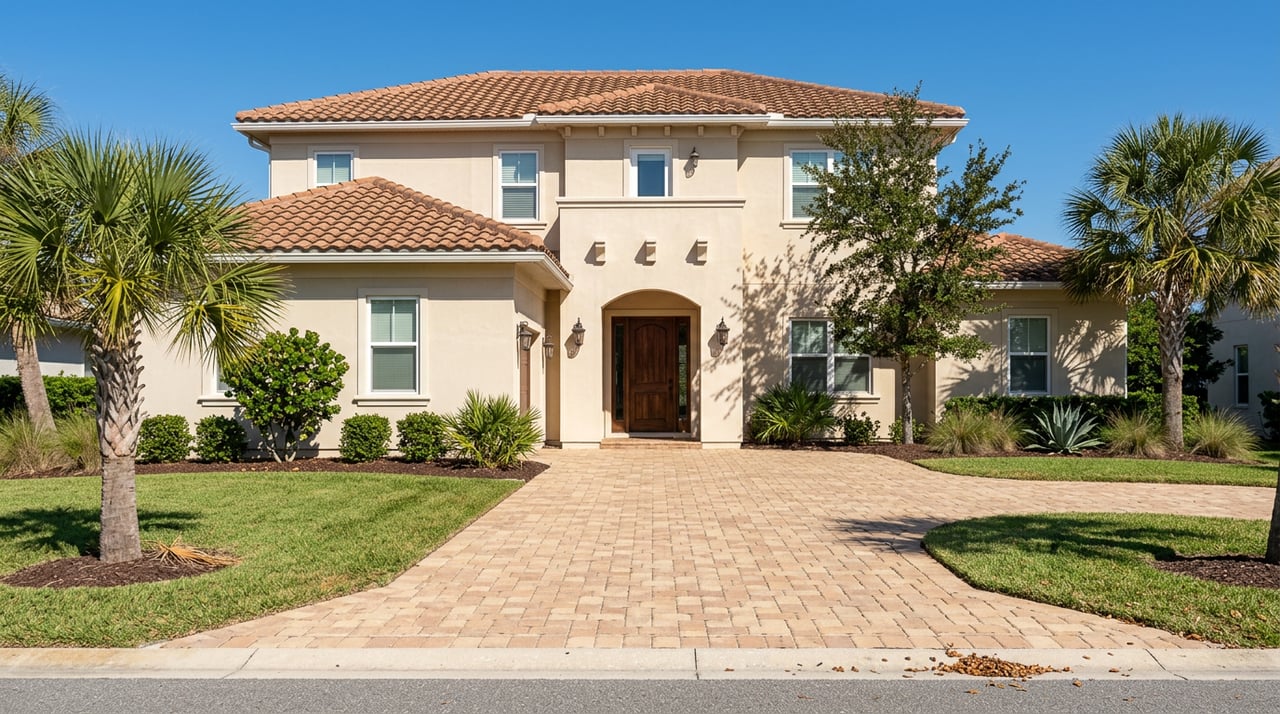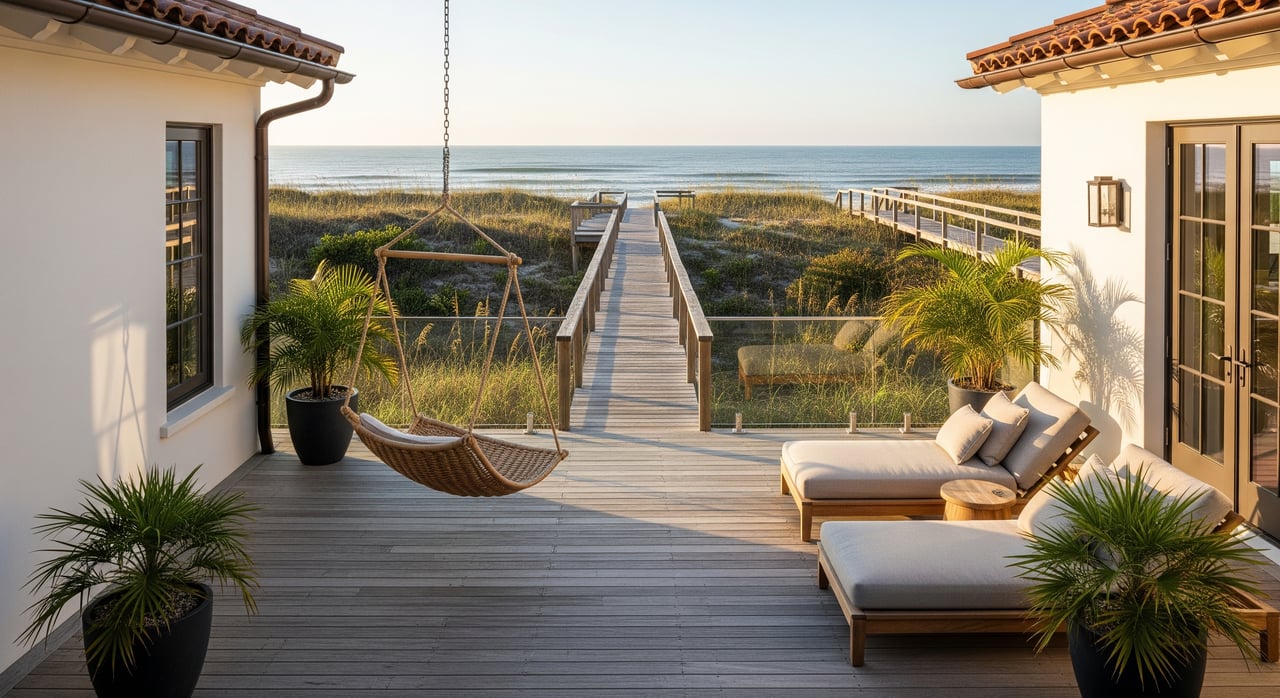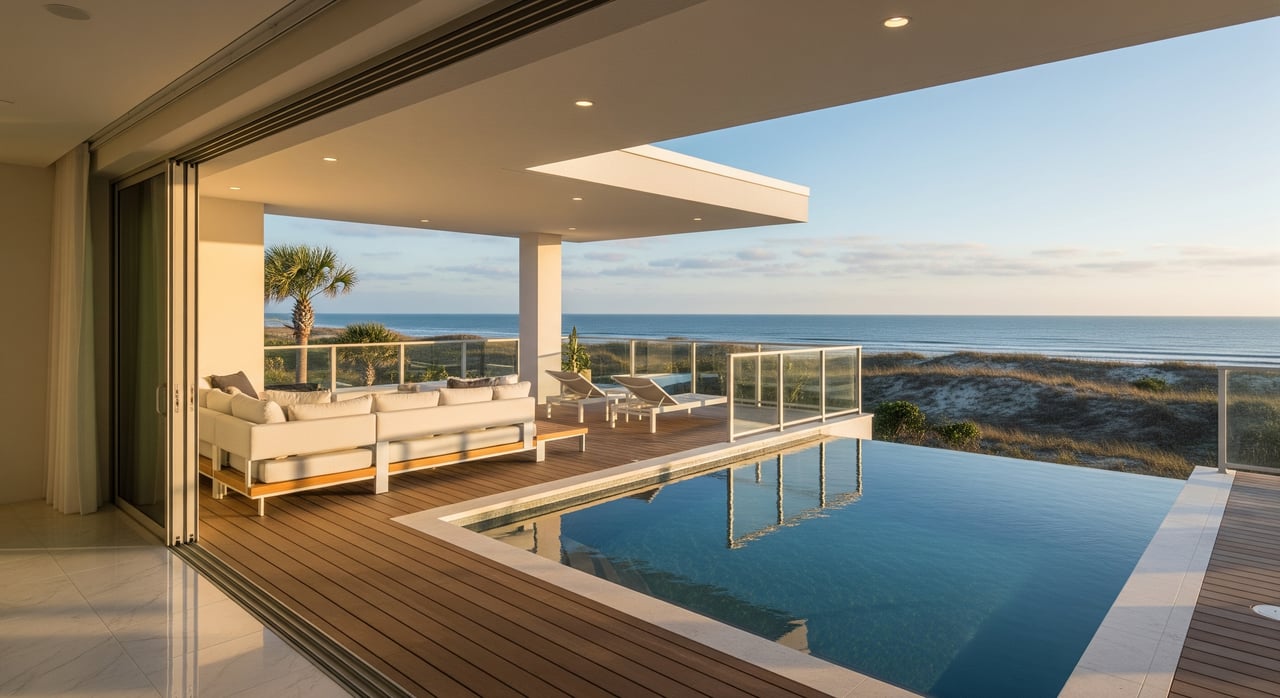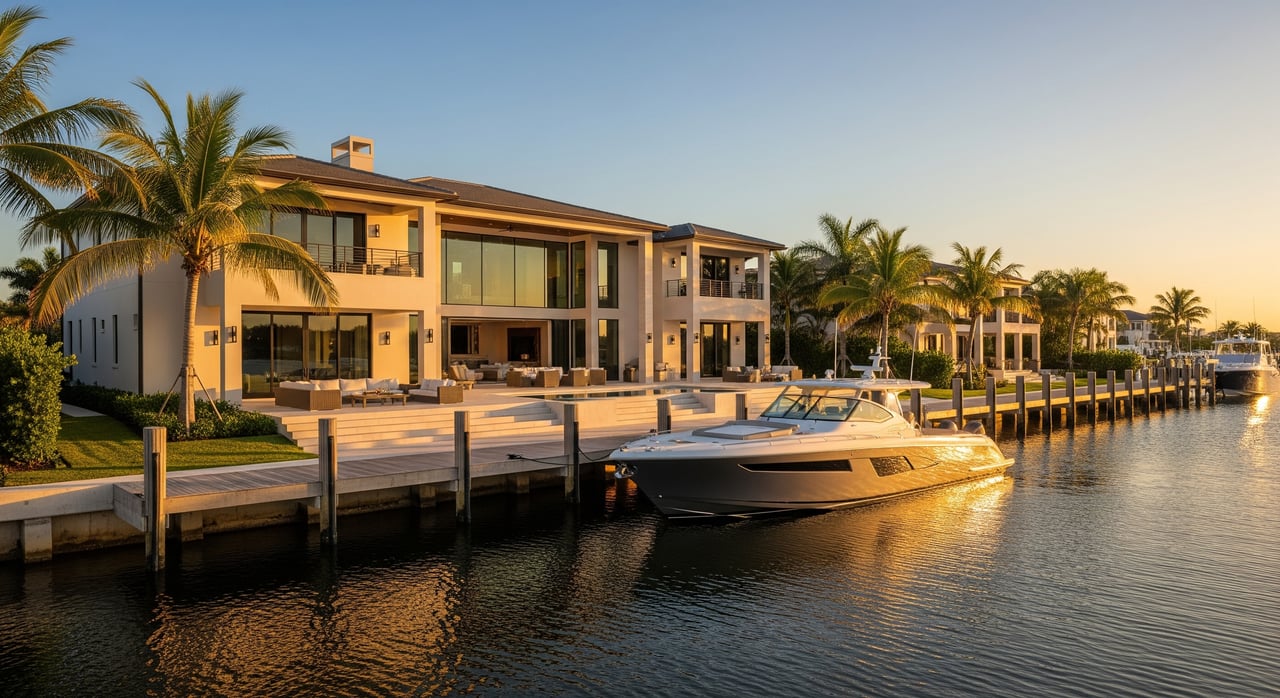
Thinking about a home in Island Estates but unsure how it pencils out? You are not alone. Buyers here love direct access to the Intracoastal Waterway, proximity to Daytona, St. Augustine and private dockage.
Why waterfront commands a premium
Waterfront homes in Island Estates typically trade at higher prices than similar non-waterfront homes. The premium reflects scarce supply, private dockage, open-water views, and easier runs to the ICW and Atlantic.
Holding costs to model
Owning on the water can deliver exceptional lifestyle value, but it comes with costs you should price in from day one. Build a conservative pro forma that captures recurring expenses and reserves for capital items.
Property taxes and assessments
Start with the assessed value and the effective local tax rate to estimate your annual bill. Include any non-ad valorem assessments that may apply. If you plan to homestead a primary residence, note that exemptions can reduce the taxable value.
Homeowners and wind insurance
Coastal properties face windstorm exposure, which can increase premiums. Rates vary by build year, construction type, roof condition, and mitigation features like shutters. Obtain multiple quotes.
Flood insurance basics
Flood zone designation is a major driver of cost. Properties in V, VE, or AE zones often pay higher premiums than inland homes. Elevation certificates, flood vents, or other mitigation features may reduce premiums, and some owners explore letters of map amendment when elevation data supports it. The majority of the property in Island Estates is in the X zone.
HOA or community fees
The property is in an association, so it does have HOA fees.
Dock and seawall reserves
Budget for routine maintenance and eventual replacements. Annual upkeep and small repairs can be higher for coastal homes. Larger projects like piling or decking replacement, boatlift upgrades, or seawall work should be planned as multi-year reserves.
Utilities and site care
Factor in utilities and routine services such as pest control and yard maintenance.
Rental operations costs
If you will rent, include property management fees, cleaning, utilities during vacancy, marketing, and repairs. Rental restrictions are once a year for a minium of one month.
Boating access and dock value
For many Island Estates buyers, boating utility is a core part of value. The right dock can improve your own day-to-day use.
ICW and Atlantic access
Confirm the route and time to reach the Atlantic from the property. Review tides, local channel depths, and any areas where shoaling is common. Easy access to the ICW and nearby destinations can materially enhance lifestyle appeal.
Dock specifications that matter
Check water depth at mean low water and at low tide. Document boatlift capacity, electrical and water service at the dock, and the condition of pilings and decking. Verify that the dock is permitted, meets setback rules, and is not encroaching on easements. Larger finger piers and adequate cleats can be an advantage for bigger vessels.
Vessel fit and buyer segments
Deep-water and high-capacity lifts attract larger powerboats and yachts. Shallow-draft boats, skiffs, and bay boats are compatible with more docks.
Operating costs for boaters
Plan for fuel, haul-outs, bottom work, engine maintenance, and periodic electronics upgrades.
Marina and mooring alternatives
If you do not intend to maintain a private dock, nearby marinas or community docks can substitute for at-home slip storage. Compare slip fees and convenience against the cost of owning and maintaining a private dock.
Lifestyle premium
If this is a second home, account for the intangible value of time on the water. You can translate convenience into an annual benefit, such as fewer hours spent trailering or driving to a marina, and the added enjoyment for you and your guests.
Dock, seawall, and shoreline permits
Work in navigable waters often requires approvals from federal, state, and county agencies. Review the status of dock permits, any past or pending dredging, and rules governing seawalls and shoreline protection.
Flood zones and elevation
Use current flood maps and elevation certificates to understand flood zone, base flood elevation, and insurance requirements.
Environmental protections
Local protections for sea life may affect dock location, lighting, and boat speeds. Expect to follow posted guidance and incorporate wildlife-friendly practices.
When you want a clear, concierge-guided plan to acquire in Island Estates, we can help you translate these steps into a focused search, vetted numbers, and a confident offer. Schedule a private consultation with the Coastal Pros Team to discuss your goals and next steps.
FAQs
What drives the waterfront premium in Island Estates?
- Scarcity, private dockage, direct boating access to the ICW and Atlantic, and open-water views typically command higher prices than comparable non-waterfront homes.
How much more will insurance cost on the water?
- Premiums vary by home features and flood zone; coastal wind coverage and flood insurance often cost more than inland properties, so obtain multiple quotes for the specific home.
Which dock features most influence value and rents?
- Water depth at low tide, boatlift capacity and condition, permitted status, electrical and water service at the dock, and configuration that supports larger vessels can all increase demand.
Are short-term rentals allowed in Island Estates?
- No Short-term rentals.
How should I budget for dock and seawall work?
- Include annual maintenance plus multi-year reserves for major repairs or replacements; get a professional inspection and written estimates for accurate planning.