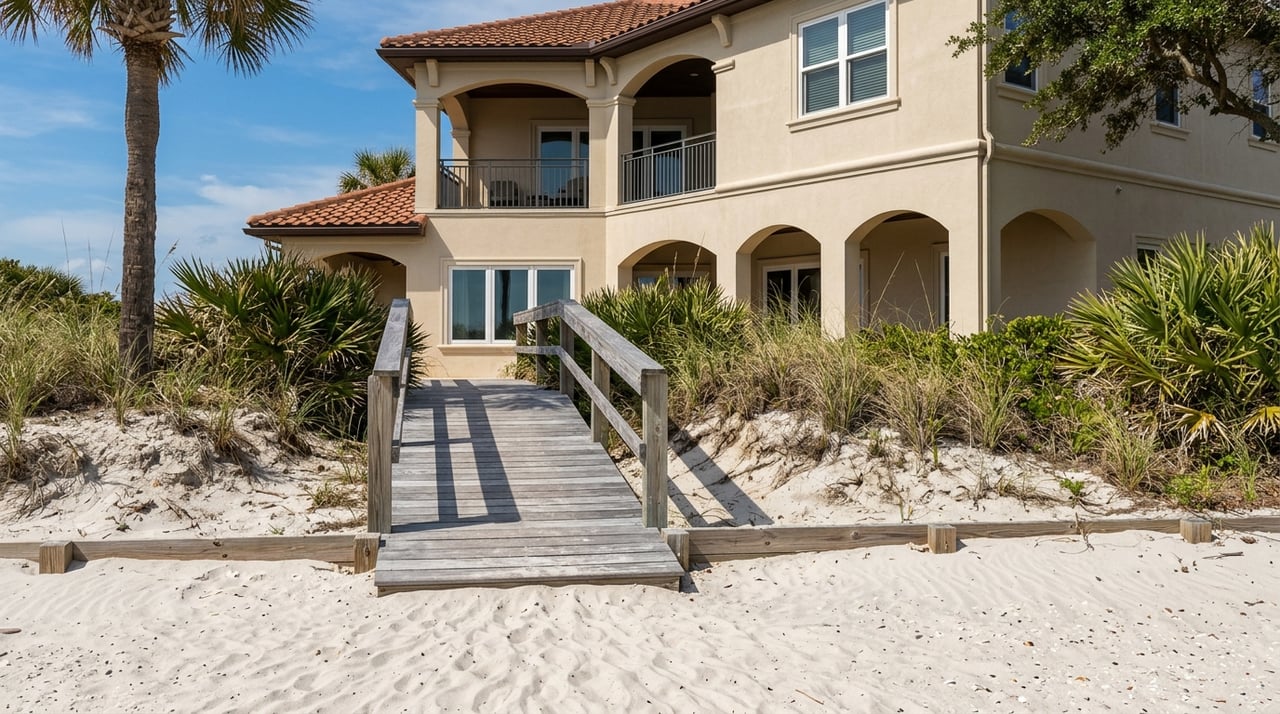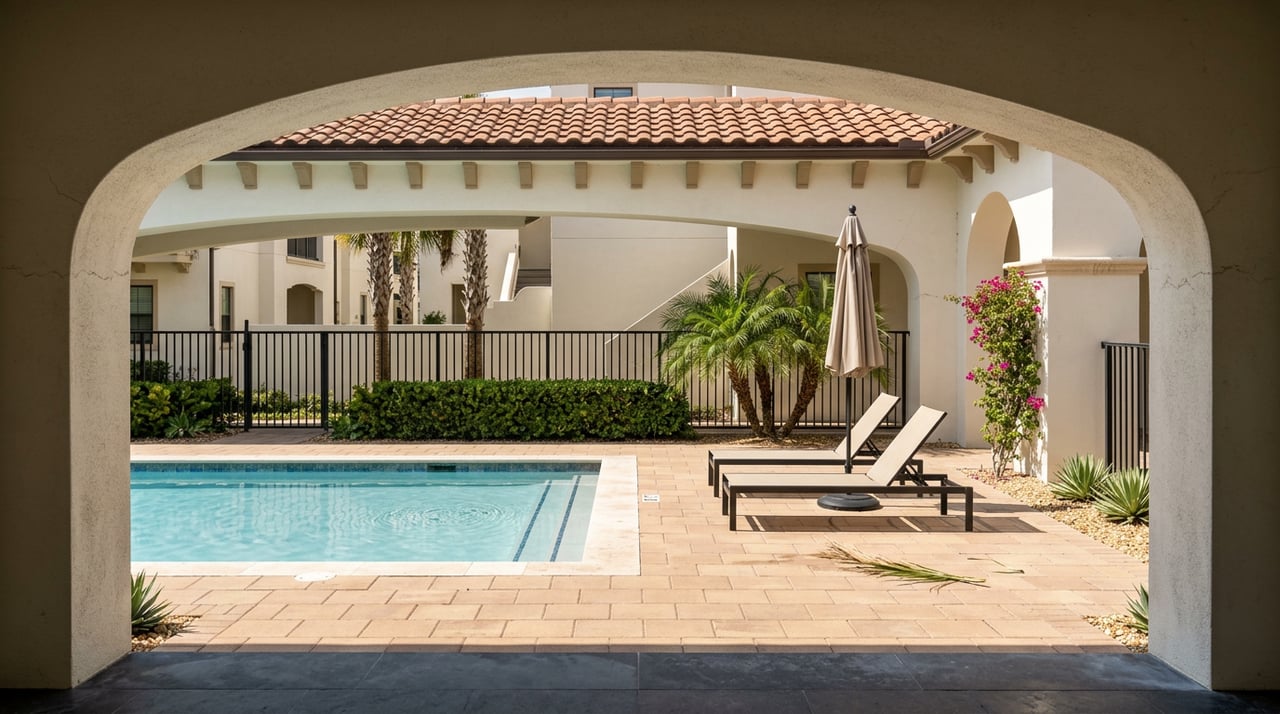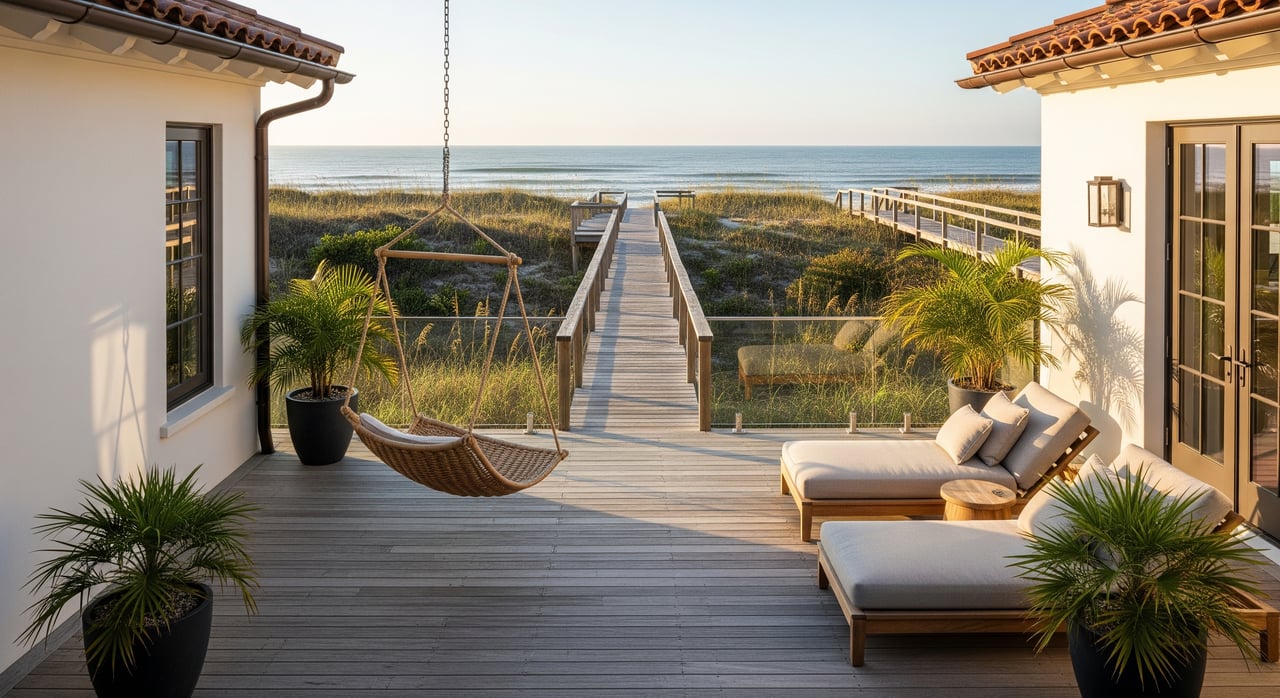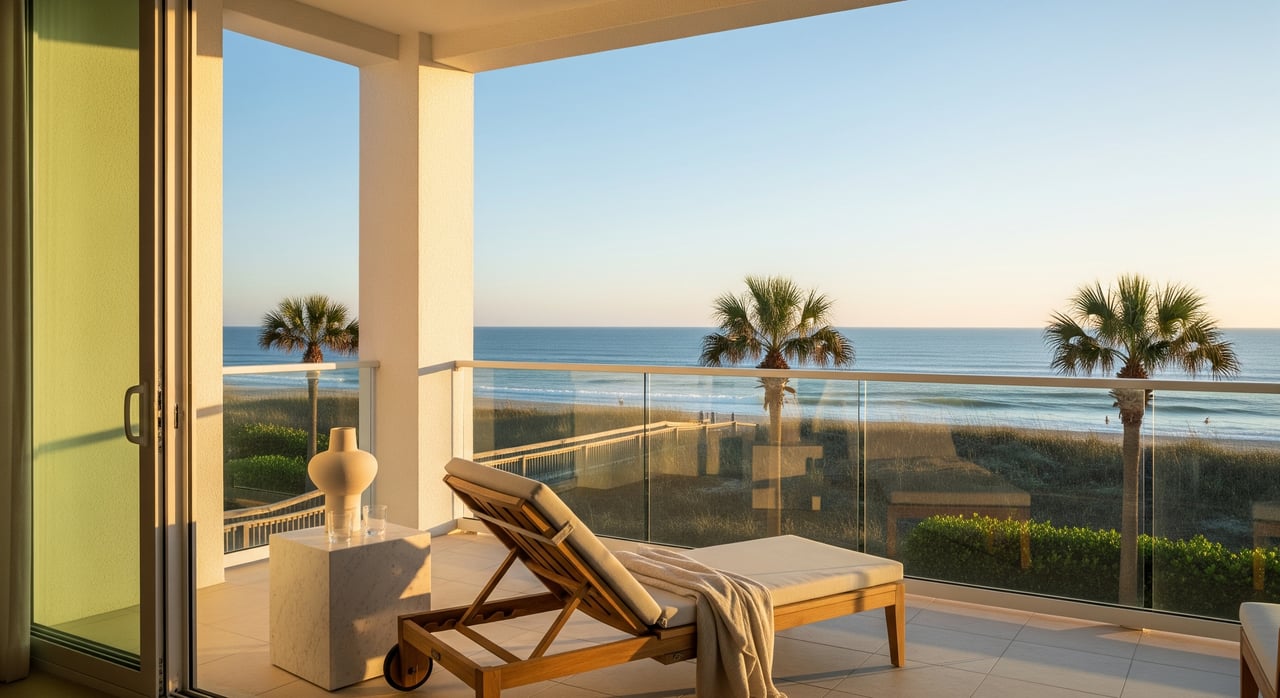
Dreaming of morning sunrises over the Atlantic from your own balcony? Financing an oceanfront condo in Palm Coast or Beverly Beach looks simple on the surface, but the details are different from buying a single-family home. You face project reviews, HOA documents, flood and wind insurance, and, in some cases, non-warrantable lending rules. This guide shows you how condo financing works here, what lenders check, and the steps to position your offer to win. Let’s dive in.
Why condo financing is different on the coast
Buying a condo is a two-part approval. Lenders underwrite you and the condominium project. In addition to your credit, income, and assets, the lender evaluates the association’s budget, reserves, insurance, owner occupancy mix, and any litigation. Even well-qualified buyers can be declined if the building does not meet project standards.
In Beverly Beach and Palm Coast, lenders pay close attention to coastal risks. Flood and hurricane exposure, older building maintenance, and heavy short-term rental activity all influence underwriting. Resort-style communities and smaller oceanfront buildings can have governance or insurance structures that change what loan types are available.
The practical takeaway is simple. Get clarity on the building early. The association’s health can impact your rate, down payment, and even your ability to close.
Warrantable vs non-warrantable explained
When a condo project is considered warrantable, it generally meets Fannie Mae and Freddie Mac criteria for things like reserves, insurance, owner occupancy, single-entity ownership, and litigation. That status usually makes conforming conventional loans available at market rates.
A non-warrantable project often shows one or more risk factors, such as high investor or short-term rental use, insufficient reserves, pending litigation, heavy commercial components, or a condo-hotel structure. Many coastal or resort buildings fall into gray areas, so verify status rather than assume.
What non-warrantable means for you
- Conventional conforming loans may not be available.
- You may need a portfolio bank, credit union, or specialty lender.
- Expect higher down payments, stricter credit and reserve requirements, and potentially higher rates.
- FHA or VA financing is possible only if the project is approved under those programs.
Pathways if the building is not warrantable
- Portfolio loans from community banks or credit unions.
- Jumbo portfolio programs for higher price points.
- FHA or VA, if the project appears on the approved lists.
- Short-term alternatives, such as seller financing or private bridge loans, while the project works through issues.
What lenders ask the HOA to provide
Your lender will send a Condo Questionnaire and request an HOA document package. The project review focuses on financial stability and risk.
Core documents and data
- Completed Condo Questionnaire that covers occupancy, ownership concentration, rental policies, budget, reserves, insurance, and any litigation or special assessments.
- Governing documents, including declaration, bylaws, and articles.
- Current budget, recent financial statements, and any reserve study or reserve policy.
- Master hazard and wind insurance declarations and flood insurance evidence, plus fidelity coverage for management.
- Recent board meeting minutes and disclosures about planned repairs or assessments.
Reserves, assessments, and red flags
Lenders look for a meaningful reserve funding plan and healthy balances. Low or depleted reserves raise concern, especially after storms or major repairs. Large or recurring special assessments are a red flag. Lenders may require sellers to satisfy assessments at closing or require additional buyer funds.
Pending litigation, unusual commercial exposure, significant owner delinquencies, or condo-hotel features can block conventional financing. Ask for these items at the start of your inspection period to avoid delays.
Insurance realities on the oceanfront
Most oceanfront buildings sit in Special Flood Hazard Areas. If your mortgage is federally regulated and the unit is in a flood zone, flood insurance is mandatory. Coastal policies, including wind and hurricane coverage, can carry higher premiums and sizable deductibles. Lenders factor these costs into your monthly housing payment and debt-to-income ratio, which affects how much you can borrow.
Clarify what the master policy covers. Some associations carry “all-in” coverage while others are “bare walls,” which shifts interior finishes to your HO-6 policy. Your lender will want proof that coverage meets investor standards.
Down payments and occupancy types
Your intended use matters. Lenders price and structure loans differently for primary, second-home, and investment use.
Typical ranges seen in condo lending
- Primary residence: conventional minimums can be as low as 3 to 5 percent in some products, but many condo projects require 10 percent or more. Risky projects often require 20 percent or higher.
- Second home: commonly 10 to 20 percent for conforming loans. Lenders scrutinize rental activity and your intent to occupy.
- Investment property: often 15 to 25 percent or higher, plus stricter reserve and credit requirements.
For luxury and jumbo loans, expect 20 to 30 percent down, tighter debt-to-income limits, and a stronger focus on liquidity and post-closing reserves. Asset-based or bank statement programs exist for complex income profiles, but requirements vary by lender and by project.
Local factors that can change your loan terms
In Beverly Beach and Palm Coast, underwriting often hinges on three local realities:
- Flood and hurricane exposure that drives insurance costs and deductibles.
- Building age and maintenance, including structural repairs or retrofits.
- Rental intensity within the association, which influences occupancy classification and project eligibility.
Expect lenders to ask for documentation around each of these. Plan your financing with those costs and timelines in mind.
Building checkpoints: Hammock Beach and Yacht Harbor Village
Hammock Beach and Yacht Harbor Village are popular with luxury buyers, and both can involve resort-style features. Do not assume current eligibility. Verify status and obtain documents early.
What to verify up front
- Whether the project appears on Fannie Mae, Freddie Mac, FHA, or VA approval lists.
- If a lender has recently declined loans in the building and why.
- The most recent budget, reserve balances, and any reserve study.
- Master insurance summaries, including flood, wind, and hurricane deductibles.
- Board meeting minutes that mention capital projects, assessments, or litigation.
- Rental rules and the percentage of units used for short-term rentals if permitted.
- Any engineering reports or post-storm inspections.
Even prestigious resort properties can have commercial components, rental intensity, or ownership concentrations that affect financing. Smaller or older oceanfront complexes may have reserve needs that require clear documentation before a lender will proceed.
Your buyer readiness checklist
Move these steps forward early to protect your timeline and negotiation strength.
Before you write an offer
- Speak with a mortgage professional experienced in Florida oceanfront condos and ask about their experience with your target building.
- Obtain a written preapproval that names the loan program, target down payment, and any condo-specific conditions.
- Confirm the unit’s flood zone and request a preliminary flood and wind insurance estimate.
- Ask the listing side for the Condo Questionnaire and HOA package as soon as you are under contract or within the inspection period.
Documents to gather
- Standard income and asset documentation, including pay stubs, W-2s or tax returns, and bank or brokerage statements.
- For jumbo or luxury financing, assemble proof of liquid reserves and net worth statements as needed.
- If the project appears borderline, be ready to increase your down payment and show additional reserves.
Protective contract terms
- Include a financing contingency that defines acceptable loan types and allows time to review HOA documents.
- Ask the seller to pay any outstanding special assessments at closing or disclose pending assessments in writing.
Your professional team
- Engage a real estate attorney or closing attorney familiar with Florida condominium law for document review.
- Work with a local mortgage originator who has funded loans in the building or in similar oceanfront projects.
- Speak directly with HOA management to clarify any ambiguous questionnaire answers and request written confirmations.
Example paths to closing
Here are common routes buyers take based on building status and price point:
- Warrantable, primary use: conforming conventional loan with 10 percent down, subject to association reserves and insurance review.
- Warrantable, second home: conforming conventional loan with 10 to 20 percent down, plus proof of reserves and occupancy intent.
- Non-warrantable, luxury price point: jumbo portfolio loan with 20 to 30 percent down, strong liquidity, and thorough project underwriting.
- Investor unit in a rental-friendly building: portfolio or specialty lender with 20 to 25 percent down and stricter reserve and credit thresholds.
Key takeaways for Palm Coast and Beverly Beach
- Condo financing is about the borrower and the building. Association health can make or break a loan approval.
- Warrantable projects unlock mainstream conforming options. Non-warrantable status often pushes you to portfolio or jumbo lenders at higher cost.
- Second-home and investment condos require larger down payments and stronger reserves than many single-family purchases.
- Insurance and flood costs are central on the oceanfront. Get estimates early to confirm affordability and loan sizing.
- Start your documentation and project review as soon as you go under contract to keep your closing on track.
Ready to create a clean path to your oceanfront condo? For discreet, expert guidance, schedule a conversation with Victoria Simmons. We will help you verify project status, coordinate lender reviews, and negotiate smart terms that protect your interests.
FAQs
What is the difference between warrantable and non-warrantable condos?
- Warrantable projects meet Fannie Mae and Freddie Mac standards, which typically allows conventional financing, while non-warrantable projects require portfolio or specialty loans with higher down payments and stricter terms.
Why do lenders review the condo association in Palm Coast and Beverly Beach?
- Lenders evaluate the project’s budget, reserves, insurance, rental mix, and litigation because the association’s health affects loan risk for every unit.
How do flood and wind insurance impact my mortgage approval?
- Required flood and wind coverage can increase monthly housing costs and affect your debt-to-income ratio, which may reduce the loan amount you qualify for.
What down payment should I expect for a second-home condo?
- Many lenders look for 10 to 20 percent down on second-home condos, with additional reserves and stricter underwriting than for primary residences.
Can I use FHA or VA financing for an oceanfront condo?
- Only if the building is on the FHA or VA approved condo lists; otherwise, you will need a different loan type such as conventional or portfolio.
What documents should I request from the HOA during due diligence?
- The lender’s Condo Questionnaire, governing documents, current budget and financials, reserve study, insurance summaries, recent board minutes, and any assessment or litigation disclosures.
What are common red flags that can delay or block financing?
- Insufficient reserves, pending litigation, significant owner delinquencies, heavy short-term rental use, unusual commercial exposure, or a condo-hotel structure can all limit loan options.