Do you measure a home by minutes to open water, lift capacity, and whether your draft clears at low tide? If so, Island Estates on Pine Island in Lee County deserves a hard look. You want a place that puts boating first and still feels like a true island neighborhood. In this guide, you will learn how access works, what to check on docks and lifts, how canals vary, and how Island Estates compares to Palm Coast’s Island Estates for larger-vessel owners. Let’s dive in.
Why Island Estates works for boaters
Direct routes to the Sound and Pass
Many Island Estates properties sit on canals that lead quickly into Pine Island Sound and Matlacha Pass. Local listings in St. James City frequently note direct Gulf access and no fixed bridges on some routes toward open water. That makes routine fishing runs and island-hopping to Sanibel and Captiva realistic for regular use.
Aquatic preserves and smart boating
Pine Island Sound and Matlacha Pass are designated aquatic preserves. That means important seagrass and mangrove habitats are protected, and those protections influence dredging, anchoring, and some construction choices. Review the Florida Aquatic Preserves guidance for Matlacha Pass to understand how conservation rules can affect dock design and permitting before you commit. You can read about the protections in the Matlacha Pass Aquatic Preserve on the Florida DEP site.
- See the state’s overview of the preserve and permitted activities at the Florida Aquatic Preserves page for Matlacha Pass: Matlacha Pass Aquatic Preserve.
Bridge clearances to plan around
The Matlacha Bridge is a bascule drawbridge with a low closed vertical clearance of roughly nine feet. It opens on a schedule, so taller vessels and sailboats should plan crossings around opening times or choose routes that match their mast height. Always confirm current clearance and the opening schedule before you assume unrestricted passage. Learn more about the Matlacha Bridge’s operating style and clearance here: Matlacha Bridge overview.
Docks, lifts, and boat sizing
What to expect at the dock
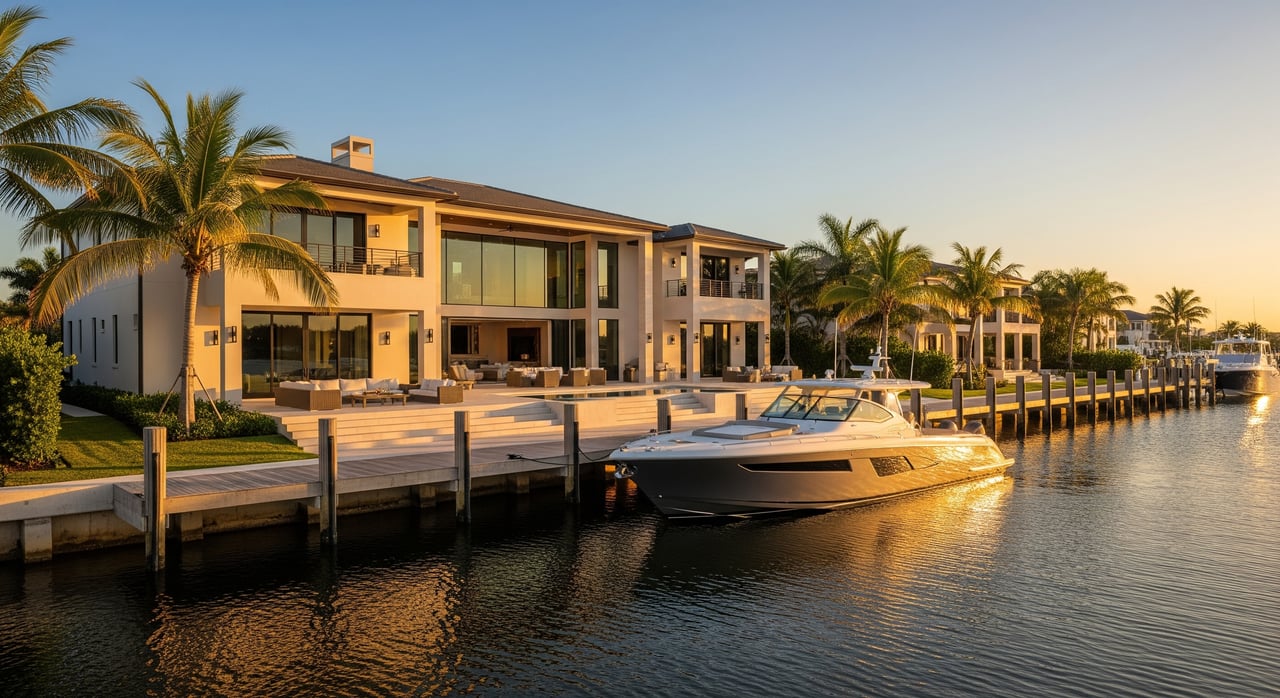
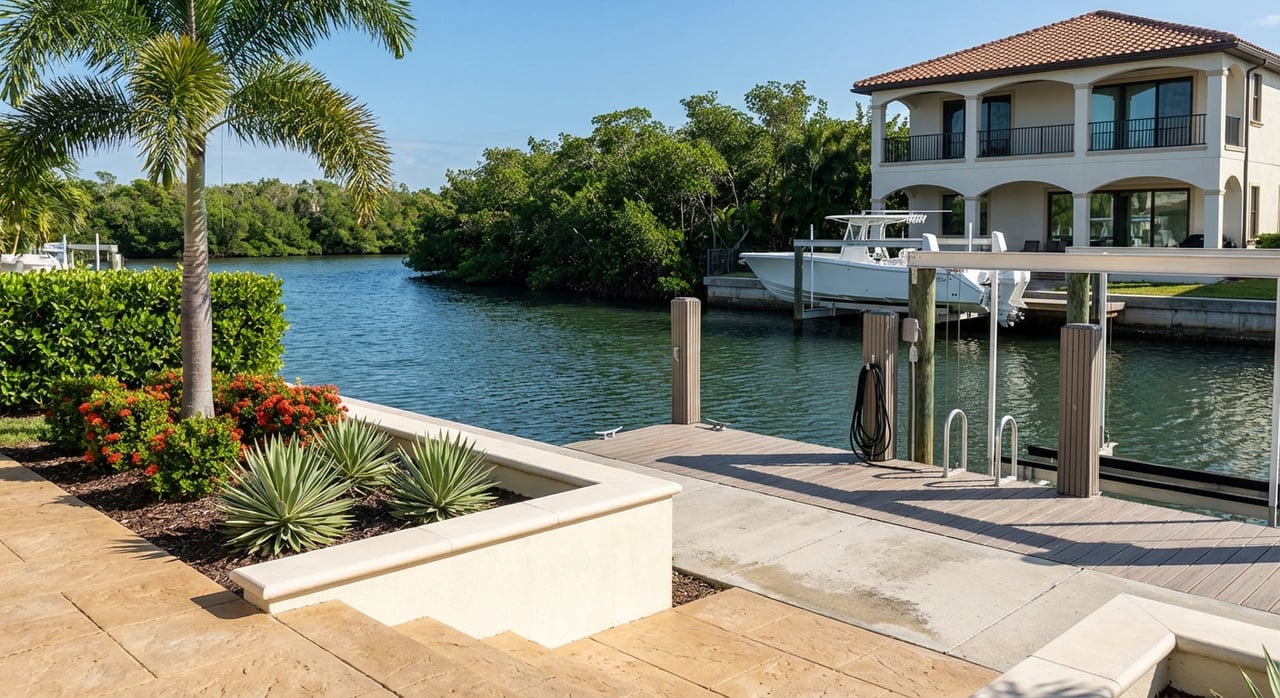
Canal homes in the St. James City area often include concrete seawalls, captain’s-walk decking, water and electric at the dock, and a mechanical boat lift. In this neighborhood, many private lifts commonly fall in the 8,000 to 11,000 pound range. Higher capacities, such as 13,000 to 16,000 pounds, show up on select estate-style parcels or in other markets with larger slips. Always verify the lift’s rated capacity, permit history, and maintenance status during due diligence.
A practical size range for private docks
Based on the local evidence in recent listings and the marina mix nearby, most private residential setups in and around Island Estates are optimized for serious recreational boats in the 20 to 45 foot range. That includes center consoles, bay boats, and express cruisers. Owners of larger yachts typically rely on full-service marinas with deep slips for permanent or occasional berthing.
Marina support when you need more
The Pine Island area has a working network of marinas for fuel, haul-out, repair, and transient slips, with additional large-service options in the broader Fort Myers and Sanibel region. If you run a bigger boat or need heavier service, build a marina plan into your property decision. A good starting point for options is the area guide that lists local marinas and services around Bokeelia and St. James City: Pine Island and Bokeelia marinas and services.
Canal geometry and depth matter
Canal width and depth can vary street to street. Even when two homes look similar, depths may differ due to shoaling, storm effects, and maintenance history. Do not rely on a single line in a listing. If draft or beam are important for your vessel, obtain a recent depth survey at mean low water and talk with a local marine contractor about realistic navigation in all seasons. Tidal range and current can also affect low-clearance moments when you are moving a deeper boat through a shallow reach.
Homes and lots along the water
Indoor-outdoor flow to the dock
A common pattern in St. James City waterfront homes is interior living that opens to a lanai or screened porch, then a pool, then the seawall and dock. Large sliders and Florida rooms are popular, which keeps the boat in view and your gear close at hand. For daily boating, that sequence makes it easy to load up and go without crossing long yards or community areas.
Architectural mix and space
Island Estates and the surrounding St. James City area show a range of styles, from Old-Florida cottages and ranch homes to updated and occasional custom builds. Lots may feel more varied than master-planned communities, with smaller canal parcels in tight groupings and some oversized sites elsewhere on Pine Island. If you prefer a consistent architectural look with formal design controls, you will find that type of governance more typical in gated, club-oriented communities rather than this island-rural setting.
Privacy and HOA structure
Many parcels in St. James City and Island Estates are in non-gated areas with no HOA or only informal neighborhood expectations. That appeals if you want fewer restrictions and direct control of your dock and lift. It also means you carry the full responsibility for seawall upkeep, dock maintenance, and permitting. Before you close, confirm any local rules, shared easements, or conditions that could affect dock work, parking trailers, or adding structures.
How it compares to Palm Coast’s Island Estates
If your search includes Island Estates in Hammock Dunes, Palm Coast, you will notice lifestyle and infrastructure differences. Palm Coast’s enclave sits inside a gated, guarded environment with club-style amenities and more formal design controls. Some properties there show larger slips and heavier lifts to match the Intracoastal setting, which can suit bigger boats. By contrast, Pine Island’s Island Estates offers a quieter, less regulated island feel focused on quick runs to Pine Island Sound and Matlacha Pass. Your best fit comes down to priorities. If you value a club ecosystem and a managed streetscape, Palm Coast may align. If you want fast access to fishing grounds and a low-key island rhythm, Pine Island fits that brief.
Buyer’s waterfront checklist
Use this quick list when you evaluate a specific Island Estates property. Several items require professional verification.
- Confirm canal width and a recent depth survey at mean low water. Draft varies with tide and shoaling, so get current numbers for your exact lot.
- Verify slip length, beam clearance, and the lift’s load rating. Ask for permit records and maintenance or inspection history.
- Inspect seawall condition and any documented repairs. Seawall work is expensive and tightly regulated. Florida’s statutes governing water resources and permitting are a useful primer: Florida Statutes, Chapter 373.
- Clarify whether your planned dock changes require Environmental Resource Permits or sovereign submerged lands approvals. Matlacha Pass’s preserve status can shape what is allowed. Start with the state’s overview here: Matlacha Pass Aquatic Preserve.
- Ask for dock photos at low tide and after recent storm seasons. Confirm whether any repairs had permits and final inspections.
- Check your flood zone and obtain a flood and wind insurance estimate early. Small changes in elevation and location can shift costs.
- Map your marina plan for haul-out, refit, and seasonal storage. Local options are outlined here: Pine Island and Bokeelia marinas and services.
- If you run a sailboat or a tall center console, confirm bridge clearances and drawbridge timing. The Matlacha Bridge is a low-clearance bascule that opens on schedule: Matlacha Bridge overview.
- Review any neighborhood rules, shared access, and dock placements on adjacent lots. Nearby structures can affect maneuvering room and views.
- Hire a marine surveyor to evaluate piles, dock structure, and electrical at the dock. A short inspection can validate lift ratings and real-world vessel limits.
Next steps
If you are a boat-first buyer weighing Island Estates on Pine Island against Palm Coast’s Island Estates and other Intracoastal options, align your choice with vessel size, run times, and the lifestyle you want day to day. Confirm the hard numbers on depth, lift capacity, and permits first, then layer in privacy preferences and community amenities. When you are ready to explore a move or compare how Palm Coast’s premier waterfront communities stack up for your boating needs, connect with The Coastal Professionals for a private consultation. Our concierge approach focuses on your goals so your home and your boat both fit your life.
FAQs
How fast can you reach open water from Island Estates on Pine Island?
- Many Island Estates canal properties offer short runs into Pine Island Sound and Matlacha Pass, which makes regular fishing trips and island-hopping practical.
What boat sizes fit typical private lifts in St. James City?
- Most residential docks show lifts rated around 8,000 to 11,000 pounds, which commonly supports boats in the 20 to 45 foot range, depending on hull and gear weight.
Are there bridge limits that affect sailboats near Pine Island?
- Yes. The Matlacha Bridge is a bascule with low closed clearance, so taller masts require planning around opening schedules and verified clearances.
Do I need permits to modify a dock or seawall in Island Estates?
- Likely. Matlacha Pass is an aquatic preserve, and Florida’s water resources laws guide dock and seawall work, so expect to coordinate with state and county permitting.
If I own a larger yacht, what are my options near Island Estates?
- Use local marinas for deeper slips, haul-out, and service, and consider whether a gated Intracoastal community in Palm Coast better matches your lift and slip requirements.