A second home should feel like an asset, not a question mark. If you own in Island Estates, you may be weighing a very real decision: keep a property you love, or sell while demand for well-positioned coastal homes is still active. The right answer depends on how you use the home, what it costs you to carry, and how much value its location and features bring to your life today. Let’s dive in.
Start With How You Actually Use It
Island Estates is positioned for both full-time living and second-home ownership, which makes this a personal decision before it becomes a financial one. If your family still uses the home often, enjoys the setting, and plans travel around it, keeping may make sense.
If visits have become less frequent, the home may be serving more as a responsibility than a retreat. That shift matters, especially in a neighborhood where ownership often comes with higher carrying costs and more property-specific considerations.
Why Island Estates Is Different
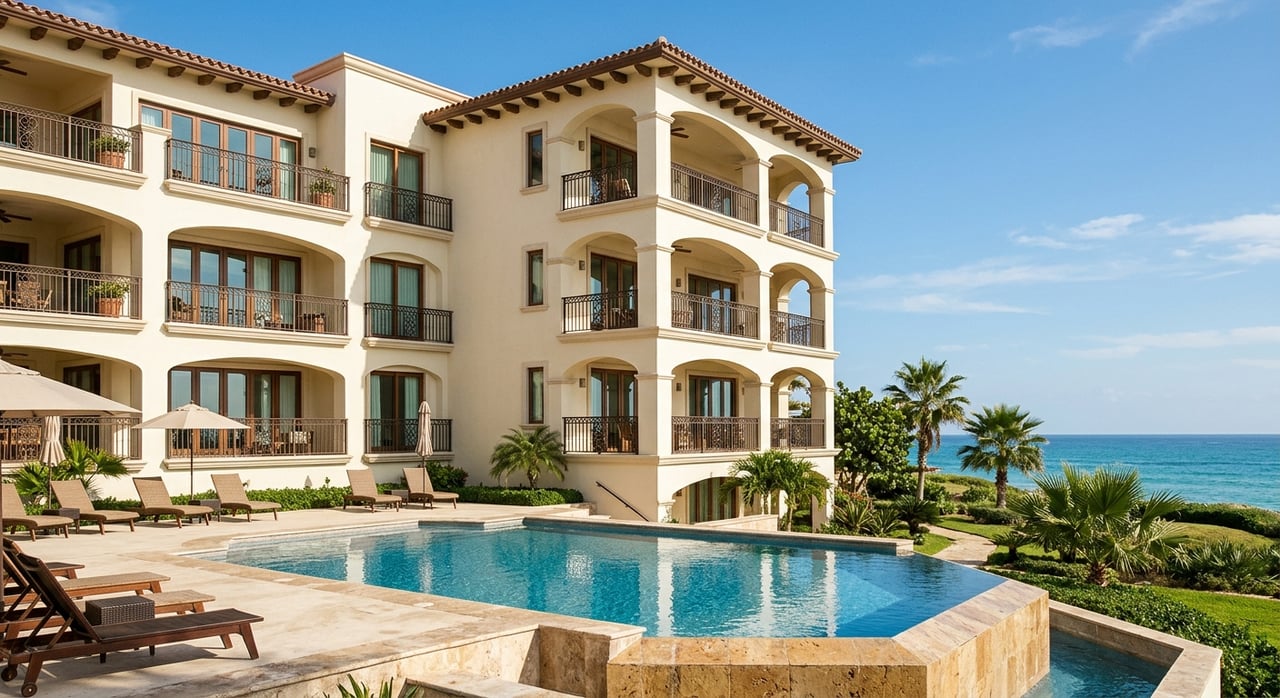
Island Estates is not a typical neighborhood. It is known as a private enclave with gated bridge access, private ocean walkover access, water-oriented homesites, docks in some cases, and a design-review process that guides site placement, landscaping, and exterior changes.
Those details can strengthen long-term appeal, but they also affect your decision. A home here may offer a rare combination of privacy, water access, and coastal lifestyle value that is hard to replace. At the same time, improvements or updates may require more planning than they would in a less regulated community.
When Selling May Be the Smarter Move
Selling often makes the most sense when the home no longer fits your lifestyle. If your travel patterns have changed, your family uses the property less often, or upkeep feels disproportionate to the enjoyment you get, a sale may be worth serious consideration.
The same is true if the home needs meaningful work. In a luxury coastal market, deferred maintenance can affect buyer perception, and Flagler County notes that property condition is a primary factor in market value. If you are facing a long list of repairs, it is worth comparing the cost and effort of preparing the home against the benefit of moving on.
High ongoing costs can also tip the scales. For second homes in Florida, homestead benefits generally do not apply because the exemption is tied to a permanent residence. Flagler County also notes that non-homestead property is typically capped at 10% assessed-value increases in the second year of ownership, which means taxes can remain an important part of your hold decision.
What the Current Market Suggests
The local market appears active, but measured. Flagler County Association of REALTORS reports an average sale price of $507,546, a median time to contract of 76 days, a median time to sale of 111 days, and 1,444 active listings, which is up 34% from 2024.
Realtor.com’s April 2026 Flagler County report describes the county as balanced, with 3.3K homes for sale, a median listing price of $409,821, 68 median days on market, and a 98% sale-to-list ratio. In plain terms, buyers are present, but they have options.
That means pricing and presentation matter. For Island Estates owners, this is especially important because buyers in this segment tend to compare waterfront position, privacy, views, dock potential, and overall condition very carefully.
Luxury Buyers Are Still Active
There is also support from the broader Florida luxury market. Florida Realtors reported that first-quarter 2026 closed sales of $1 million-plus single-family homes rose more than 14% year over year, while sales of $5 million to $10 million homes jumped more than 31%.
That does not mean every luxury property will sell quickly. It does suggest that well-presented, well-priced coastal homes can still attract strong interest, even in a more balanced market.
When Keeping the Home May Make More Sense
Keeping your Island Estates home may be the better choice if it still plays an active role in your life. If you use it regularly, host family and friends there, or expect your time in Palm Coast to increase, ownership may still deliver value that goes beyond spreadsheets.
This is especially true if your homesite has rare features. Research on coastal housing shows that buyers generally pay a premium for proximity to water, and that water views and wider beaches positively affect property values. In Island Estates, lot orientation, water exposure, access, and dock potential can all influence how special your property is.
If you own a home with a standout waterfront position or distinctive view line, holding may preserve something difficult to replace later. That kind of scarcity is often part of the long-term appeal in private coastal enclaves.
Review the True Cost of Holding
Before you decide to keep the property, it helps to look at your full annual ownership picture. Focus on the real carrying costs, not just the mortgage.
Here are some of the main costs to review:
- Property taxes as a non-homestead owner
- Flood insurance and other hazard coverage
- HOA or community-related dues
- Routine maintenance and deferred repairs
- Landscaping and exterior upkeep
- Utilities and security for a part-time residence
For a coastal property, insurance deserves extra attention. Owners should verify flood-zone status and current insurance quotes before deciding to hold, especially since mandatory flood insurance can apply in Special Flood Hazard Areas.
Can Rental Income Help the Math?
Some owners consider seasonal rental income to offset carrying costs. That may be possible, but it is not a simple switch to flip.
Palm Coast requires short-term rental registration and a business tax receipt for each rental property. The city also requires Florida Department of Revenue tourist-development-tax registration and a DBPR transient public lodging license, and it posts rules covering matters such as parking, noise, garbage, pets, boating, and occupancy.
Flagler County separately requires an annual short-term vacation rental certificate for each dwelling unit in applicable areas, along with local business tax, DOR registration, and DBPR licensing. Florida DOR states that transient rental taxes apply to accommodations rented for six months or less, and DBPR notes that whole-unit rentals more than three times per calendar year for periods under 30 days, or properties advertised as regularly rented, generally need a vacation rental license.
In other words, rental income may help, but compliance is a real part of the equation. If you are considering a hold-and-rent strategy, be sure the expected income justifies the paperwork, regulation, and operating responsibilities.
Think Carefully About Renovating First
If you are undecided, you may be tempted to improve the home and revisit the choice later. That can work, but Island Estates owners should approach renovations thoughtfully.
The community is known for a strict design-review framework covering site placement, landscaping, and exterior changes. That means a hold-and-improve strategy may require more lead time, approvals, and coordination than you would expect in a standard subdivision.
Before investing in updates, ask two simple questions:
- Will these improvements increase how much you personally use and enjoy the home?
- If you sell later, will buyers in Island Estates value those changes enough to justify the cost?
A Simple Way to Make the Decision
If you are stuck, use this practical side-by-side test.
| If this sounds like you | Selling may be stronger | Keeping may be stronger |
|---|---|---|
| How often you use the home | Visits are rare or declining | You use it regularly each year |
| Property condition | Meaningful work is needed | The home is well maintained |
| Ongoing costs | Taxes, insurance, and upkeep feel high for the use you get | Costs feel justified by lifestyle value |
| Property features | The lot is good but not especially rare | The home has standout water exposure, views, or dock appeal |
| Rental plans | Compliance feels burdensome | You are prepared for rental rules and management needs |
| Future lifestyle | You expect less time here | You expect more time here |
For many second-home owners, the strongest sell case is a property that no longer fits daily life and carries high ongoing cost relative to its use. The strongest keep case is a home that still gets regular use, offers a rare setting, and supports the way you want to spend your time in Palm Coast.
The Value of a Property-Specific Review
In Island Estates, broad market averages only tell part of the story. Two homes in the same neighborhood can have very different value based on orientation, water exposure, condition, access, and presentation.
That is why this decision works best when you review your home as an individual asset, not just as a line item in the market. A thoughtful analysis can help you compare likely sale value, prep costs, annual carry, and the real lifestyle return you are getting from ownership.
If you are weighing whether to sell or keep your Island Estates second home, a private consultation can help you sort through the numbers and the lifestyle side of the decision with clarity. Connect with The Coastal Professionals for a discreet, property-specific conversation.
FAQs
Should you sell a second home in Island Estates if you use it only a few times a year?
- If your use has dropped and carrying costs feel high relative to that use, selling may be the more practical choice.
Does waterfront position affect Island Estates home value?
- Yes. Water proximity, views, lot orientation, and dock potential can all play an important role in value for coastal properties.
Can you rent out an Island Estates second home short term?
- Possibly, but you need to review Palm Coast and Flagler County requirements, including registration, licensing, tax registration, and operating rules.
Do Florida homestead benefits apply to an Island Estates second home?
- Generally no. Florida homestead treatment is typically tied to a permanent residence rather than a second home.
Should you renovate your Island Estates home before deciding to sell?
- It depends on the home’s condition, your plans for future use, and whether the likely buyer value justifies the cost and approval process.
Is the Flagler County market favorable for selling a luxury coastal home?
- The market appears balanced rather than frenzied, but luxury buyers are still active statewide, which can support well-priced and well-presented coastal listings.