Selling a waterfront home is rarely a simple list-and-wait process. If you own in Island Estates, your property competes in a market where inventory is meaningful, buyers are selective, and presentation can shape the outcome from day one. The good news is that with the right timing, documentation, and launch strategy, you can position your home to stand out for the reasons that matter most. Let’s dive in.
Why planning matters in Island Estates
Island Estates waterfront homes occupy a niche within the broader Lee County market. In May 2026, RPCRA reported 6,630 active single-family listings across Lee and Hendry counties, with a 45-day average time on market and a median price of $359,990. That kind of inventory gives buyers options, which means your home needs a sharper plan than a typical listing.
For waterfront owners, that plan should reflect both the property’s premium setting and the practical details buyers will review closely. Florida’s luxury market has remained active, with statewide closed sales of $1 million-plus single-family homes rising more than 14% year over year in the first quarter of 2026. In other words, demand exists, but buyers in this price range expect strong presentation and clean information.
Choose timing with purpose
Spring can create an advantage
Florida Realtors projected April 12 through 18 as the best national week to list in 2026, and noted that Florida sellers may see similar benefits by aligning with local spring demand. Early to mid-April may offer stronger pricing and faster sales than the start of the year, while helping sellers avoid some of the heavier competition that builds later in spring and summer.
That does not mean every Island Estates seller should list on the same date. It means your timing should match local conditions, your goals, and the readiness of the home. If you use the property seasonally, it helps to prepare well before your target launch so you are not scrambling for photos, permits, or inspections at the last minute.
Start preparing before you go live
A polished launch usually starts weeks before the listing hits the market. Waterfront buyers often ask detailed questions early, especially when they are comparing several properties online at once. If your paperwork and property presentation are already organized, you can move with confidence when the best window opens.
A practical pre-launch timeline often includes:
- Confirming your current flood-zone report
- Gathering any Elevation Certificate
- Locating your wind-mitigation inspection form
- Pulling permit records for docks, lifts, seawalls, and storm-related repairs
- Scheduling photography and aerial imagery
- Preparing the home’s outdoor spaces for marketing
Organize waterfront documents early
Flood-zone information is not a small detail
In Lee County, flood zones affect insurance rates and construction standards. The county also notes that federally backed mortgages generally require flood insurance in Special Flood Hazard Areas, including A and V zones. For sellers, this makes current flood information one of the most useful items to have ready before listing.
It is also important to verify current records rather than relying on older paperwork. Lee County states that flood maps continue to evolve, so buyers may want to see the most up-to-date flood report available. Having that ready can reduce uncertainty during showings and negotiations.
Elevation and mitigation records can help tell the story
An Elevation Certificate can document elevation and support floodplain compliance. FEMA also notes that it may help with flood-insurance rating. While every buyer’s insurance situation is different, having this document available can make your property file more complete.
The same goes for wind-mitigation information. The Florida Office of Insurance Regulation says insurers must offer hurricane-loss mitigation discounts, and those discounts depend on a qualified inspection documented on the Uniform Mitigation Verification Inspection Form. If you already have that form, it is worth including in your pre-listing packet.
Dock and shoreline permits matter
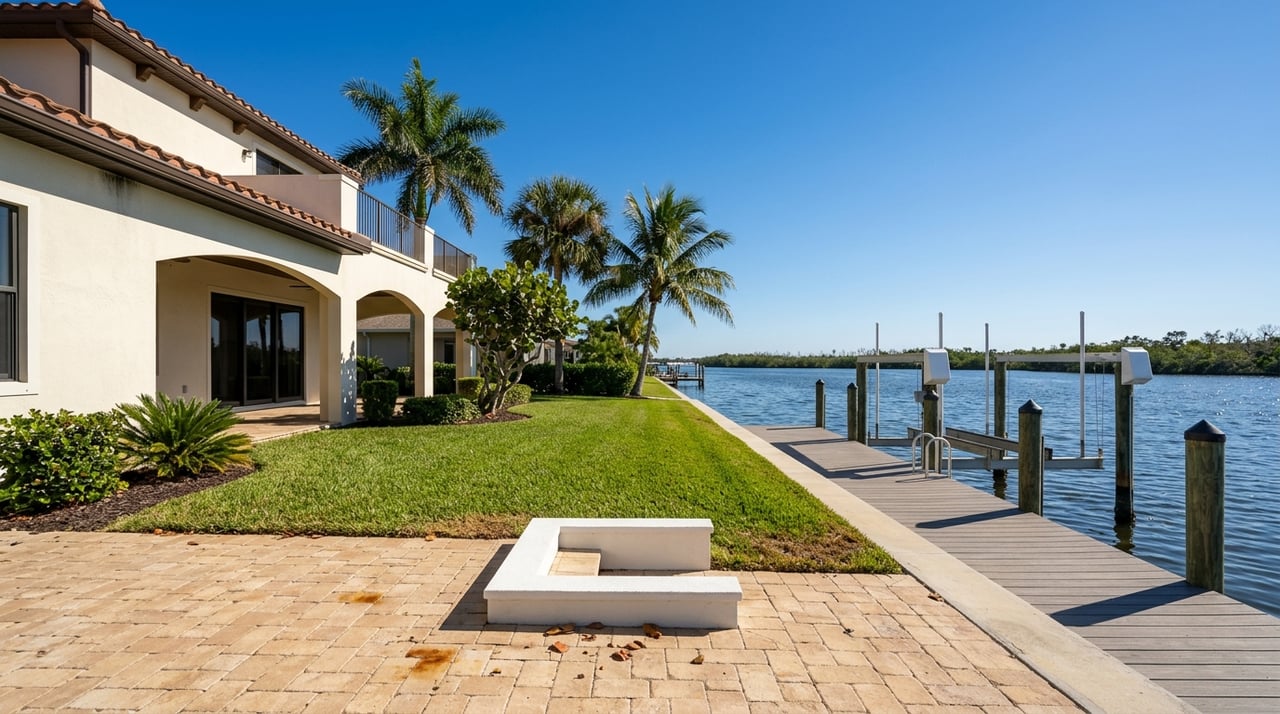
Waterfront buyers are often buying more than the house itself. They are also evaluating the dock, boat lift, seawall, shoreline improvements, and how those features support their intended use of the property. In Lee County, docks, boat lifts, boathouses, seawalls, riprap, and similar structures require a Dock and Shoreline Permit.
The county’s guidance indicates that these improvements may involve site plans, riparian lines, channel widths, and structure details. If you can provide clear permit records and supporting information, you help buyers separate verified features from assumptions. That clarity can strengthen confidence in the property.
Price and position the home as a niche property
Avoid treating a waterfront home like a generic listing
A waterfront home in Island Estates should not be positioned like a standard county-wide sale. Buyers in this segment are often comparing location, water access, lot orientation, and boating features just as closely as square footage and finishes. That is why pricing and positioning need to reflect the home’s specific waterfront value.
This is especially important in a market with a healthy number of active listings. When buyers have choices, overpricing can slow momentum, while vague marketing can cause them to move on quickly. A deliberate strategy helps protect your early attention window.
Focus on verified value points
The strongest listing descriptions usually center on details you can support. For a waterfront property, that often means the type of water frontage, dock and lift specifications, seawall condition, navigable access, outdoor living features, and any documented mitigation or upgrade work.
That kind of specificity matters because waterfront buyers often shop with a checklist. They want to know not only that the home is attractive, but also how it functions. Clear, factual marketing can help your home connect with the right audience faster.
Make the first online impression count
Buyers will see your home online first
Online presentation carries real weight. Realtor.com reports that 52% of buyers found the home they purchased online, and 81% said listing photos were the most useful feature during their search. For sellers, that means your digital debut is not a side detail. It is a central part of the sale plan.
The first few days online matter the most. Once your listing goes live, buyers form opinions quickly based on photos, pricing, and how clearly the property’s features are explained. A rushed launch can waste that initial burst of visibility.
Use visuals that show the waterfront setting
Florida Realtors notes that drone imagery is especially effective for waterfront and estate properties because it shows the lot, nearby water, surrounding landscape, and overall setting. For an Island Estates home, that can help buyers understand context that ground-level photos cannot fully capture.
Golden-hour timing can also improve results, especially when the dock, pool, landscaping, and outdoor living areas are clean and camera-ready. The goal is not to overproduce the home. It is to present it clearly, beautifully, and honestly.
Build a stronger launch package
A strong waterfront launch package often includes:
- Professional photography
- Aerial or drone imagery
- Twilight or sunset photos when appropriate
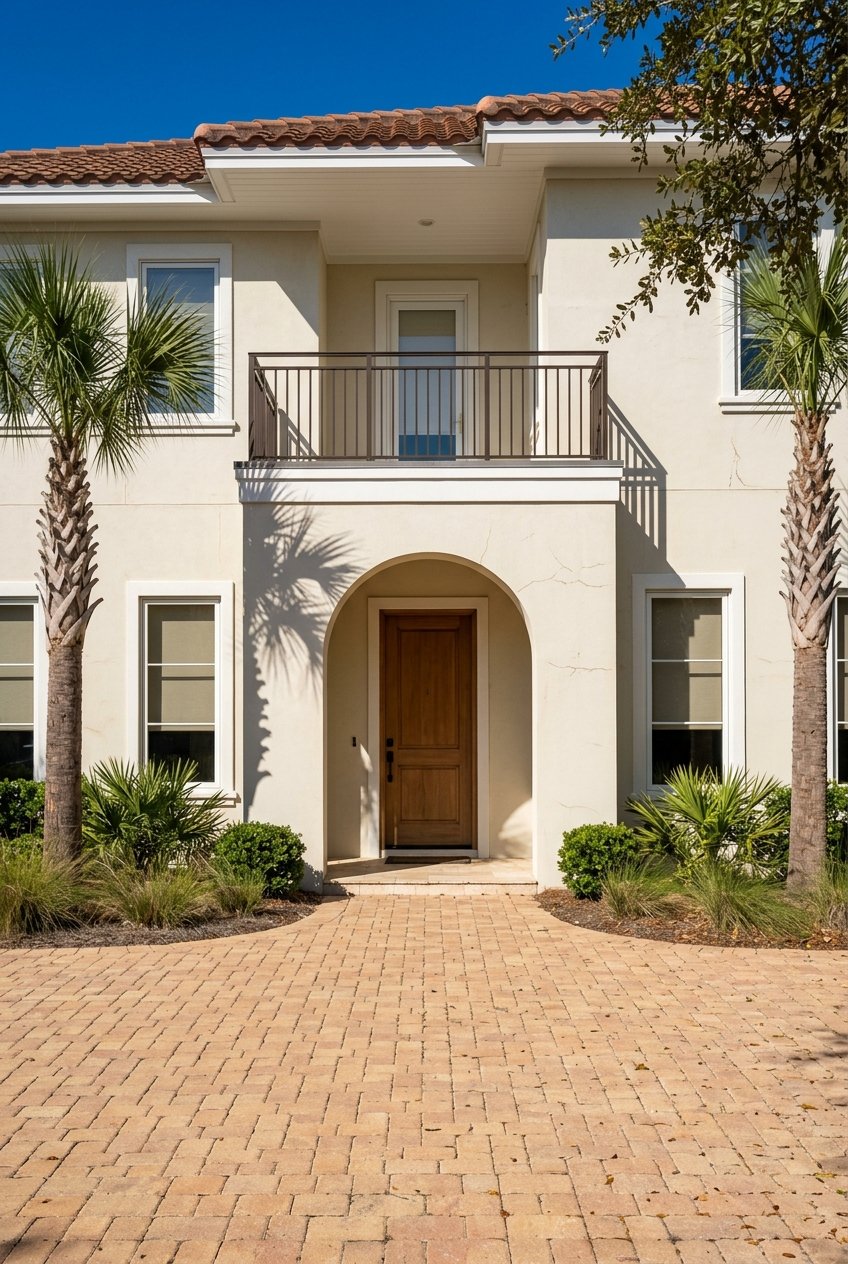
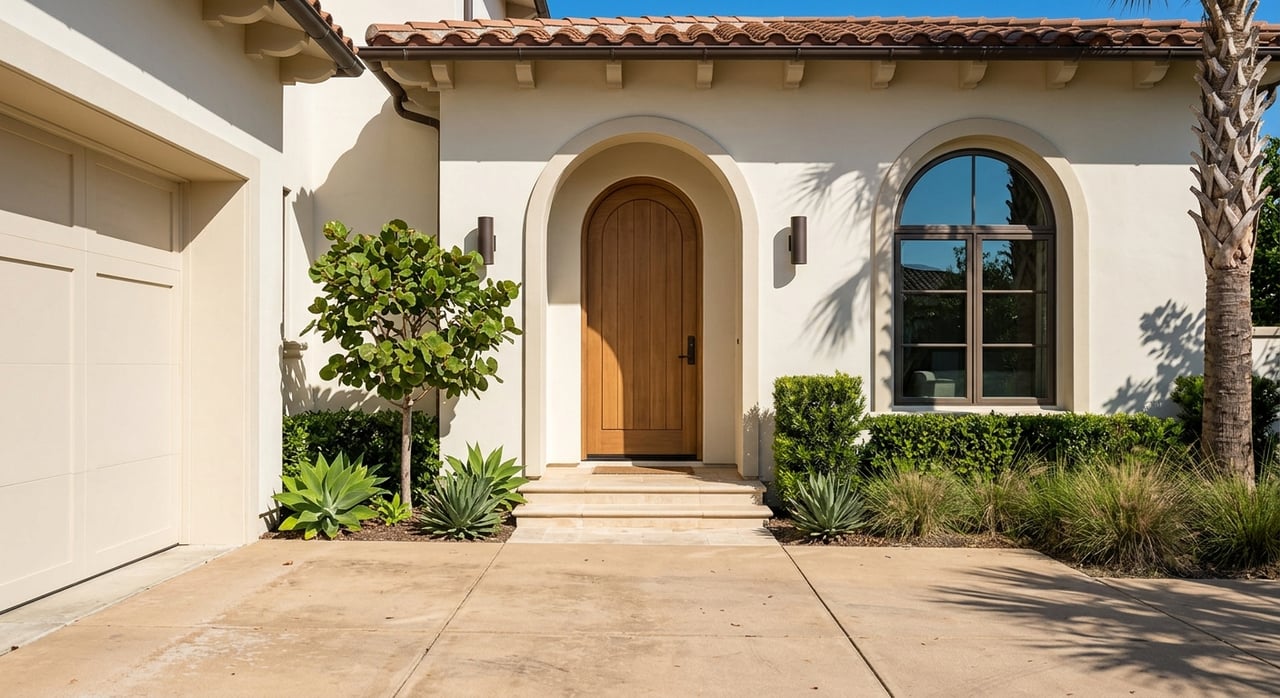
- Crisp exterior shots of the dock, shoreline, and approach
- Clear interior images that support the home’s flow and condition
- Listing copy that explains how the property supports boating or seasonal living
This kind of package gives buyers a fuller picture before they ever request a showing. It also supports the premium positioning expected in the upper-tier market.
Prepare the property for buyer scrutiny
Outdoor areas deserve extra attention
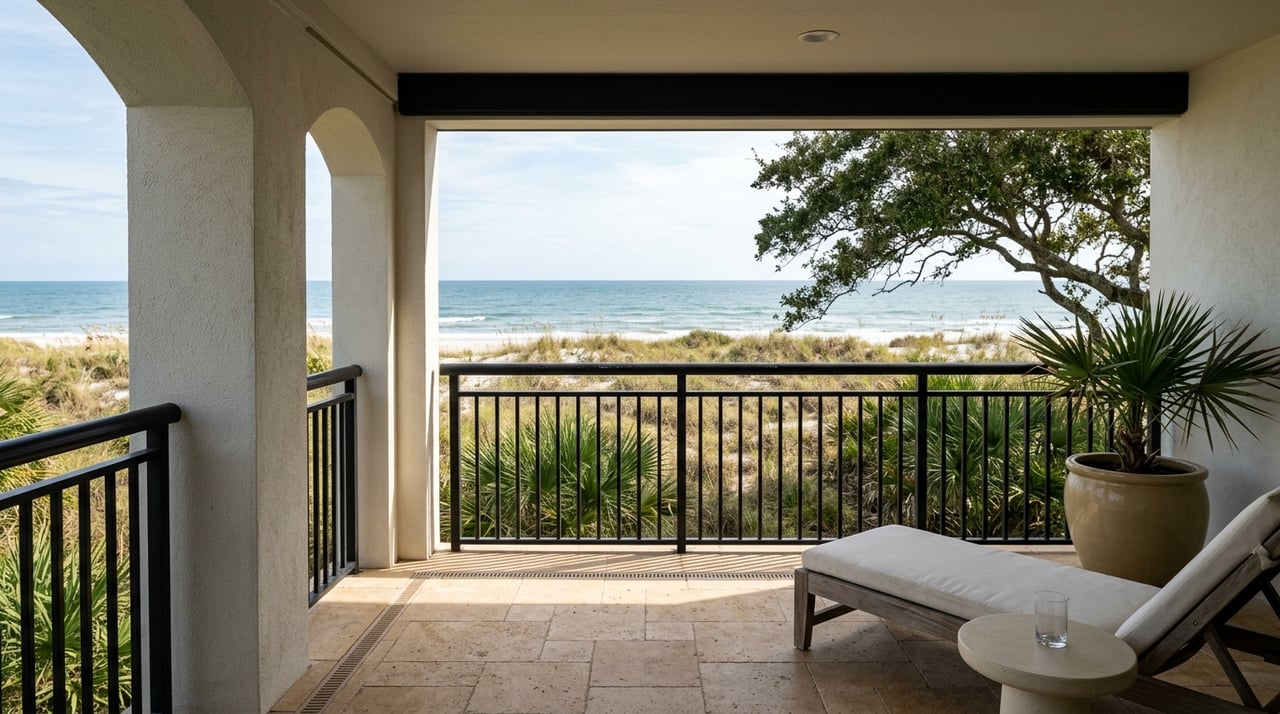
With a waterfront home, the exterior often carries as much weight as the interior. Buyers may study the dock, seawall, lift area, landscaping, pool deck, and water view before they focus on finishes inside the home. Those spaces should feel maintained, usable, and easy to understand.
Before photos and showings, it helps to simplify and clean these areas thoroughly. Remove visual clutter, tidy boat-access points, and make sure walkways and waterfront features photograph clearly. Small improvements can have a large visual payoff.
Keep your information easy to review
Luxury and second-home buyers often want efficiency. If your home has waterfront improvements, storm-related updates, elevation records, or mitigation documentation, keeping those materials organized can make the process smoother. It also signals that the property has been cared for with attention to detail.
A simple seller packet can help you stay ready for early questions. In many cases, that preparation supports stronger conversations once interest builds.
What to discuss before listing
Before you bring your Island Estates waterfront home to market, it helps to have answers to a few key questions:
- What listing window best matches current spring demand and your timing needs?
- Which flood, elevation, and mitigation documents are current and available?
- Are dock, lift, seawall, and shoreline permit records easy to provide?
- Which waterfront features can be verified clearly in the marketing?
- What photos should lead the online launch?
- Is the home fully ready for the first 72 hours on market?
These questions can shape a more confident and more effective sale plan. They also help you move from a general idea of selling to a strategy built for a premium waterfront property.
If you are thinking about selling, the best first step is a private planning conversation focused on timing, documentation, pricing, and presentation. To schedule a private consultation, connect with The Coastal Professionals.
FAQs
When is the best time to list an Island Estates waterfront home?
- Florida Realtors noted that early to mid-April may offer stronger pricing and quicker sales than the start of the year, but the best timing still depends on local conditions and how prepared your home is for market.
What documents should you gather before selling a Lee County waterfront home?
- A strong starting packet often includes a current flood-zone report, any Elevation Certificate, a wind-mitigation inspection form, and permit records for docks, lifts, seawalls, or storm-related repairs.
Why do flood zones matter when selling a waterfront home in Lee County?
- Lee County says flood zones affect insurance rates and construction standards, and certain flood zones may also trigger flood-insurance requirements for federally backed mortgages.
Do dock and seawall improvements need permits in Lee County?
- Yes. Lee County requires a Dock and Shoreline Permit for improvements such as docks, boat lifts, boathouses, seawalls, riprap, and similar structures.
Why are drone photos useful for an Island Estates waterfront listing?
- Florida Realtors says drone imagery helps show the lot, nearby water, surrounding landscape, and overall property setting, which is especially helpful for waterfront homes.
What matters most in the first days of a waterfront listing going live?
- Strong photos, clear pricing, and accurate marketing details matter early because buyers often discover homes online first and form quick opinions during the initial launch period.